

A Legacy Since 1884
Madras Gymkhana Club was established in April 1884, at a time when organised sport in South India was still finding its form. What began as a meeting ground for cavalry officers and civil servants became something more enduring: a sporting institution that shaped the competitive culture of Madras and later Chennai.
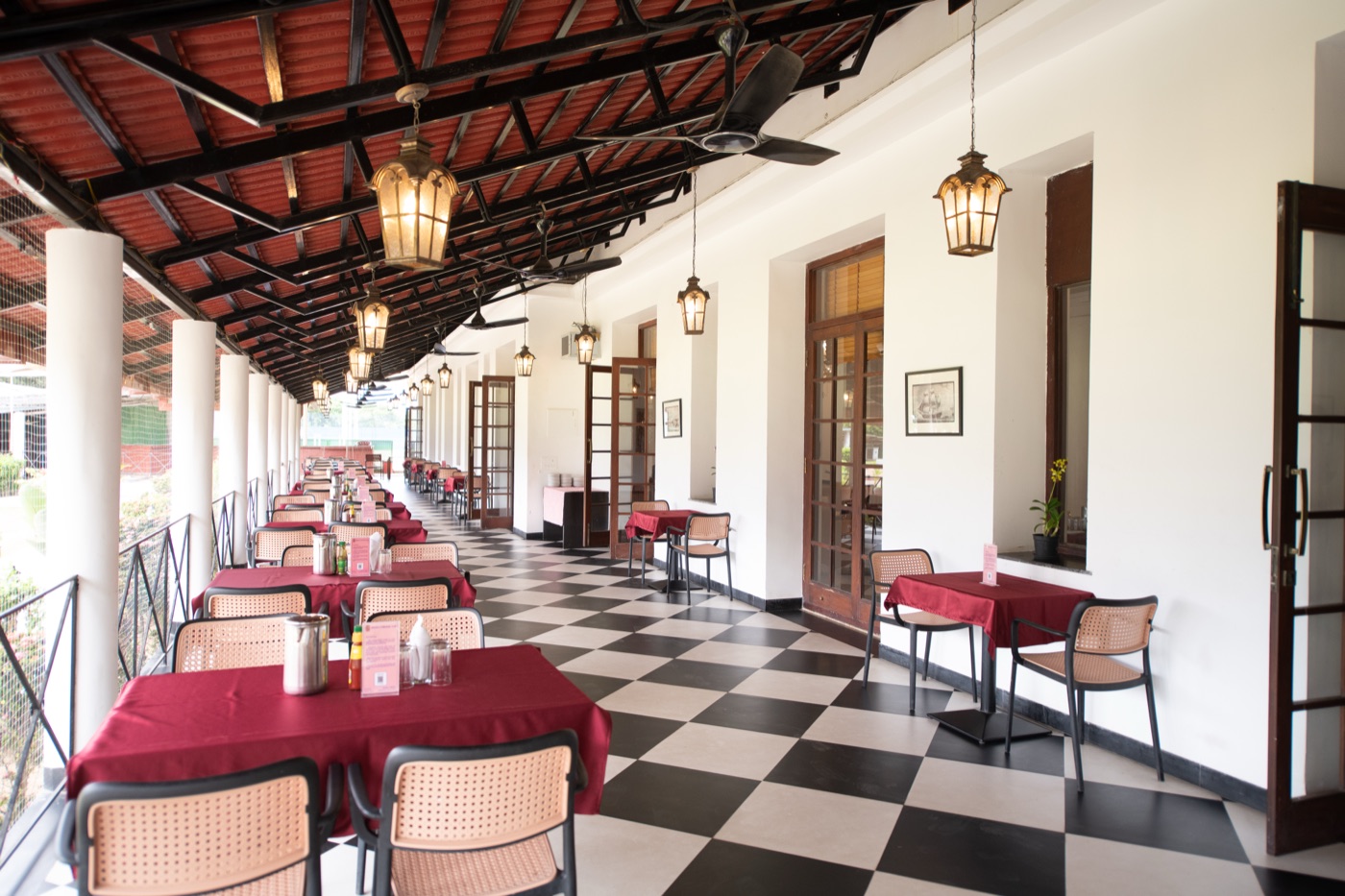
The Early Grounds
In its earliest decades, the open expanse of the Island Grounds echoed with hooves. Polo was played here when it was still a cavalry game. Pigsticking, then a formal mounted sport, was contested with ceremony. Trap-shooting, rugby, and equestrian events were regular fixtures.
The club's first president, Lt. General C. B. Johnson, presided over these formative years, joined by early stewards such as H. McLeod, G. J. Smart, and G. M. J. Moore, whose names remain woven into the archival record of Madras sport.
One of the most consequential gestures of this era came from His Highness the Raja of Venkatagiri, whose contribution of the Grandstand provided the architectural focal point for spectatorship: not merely shelter, but statement.
Where Southern Indian Tennis Found Its Identity
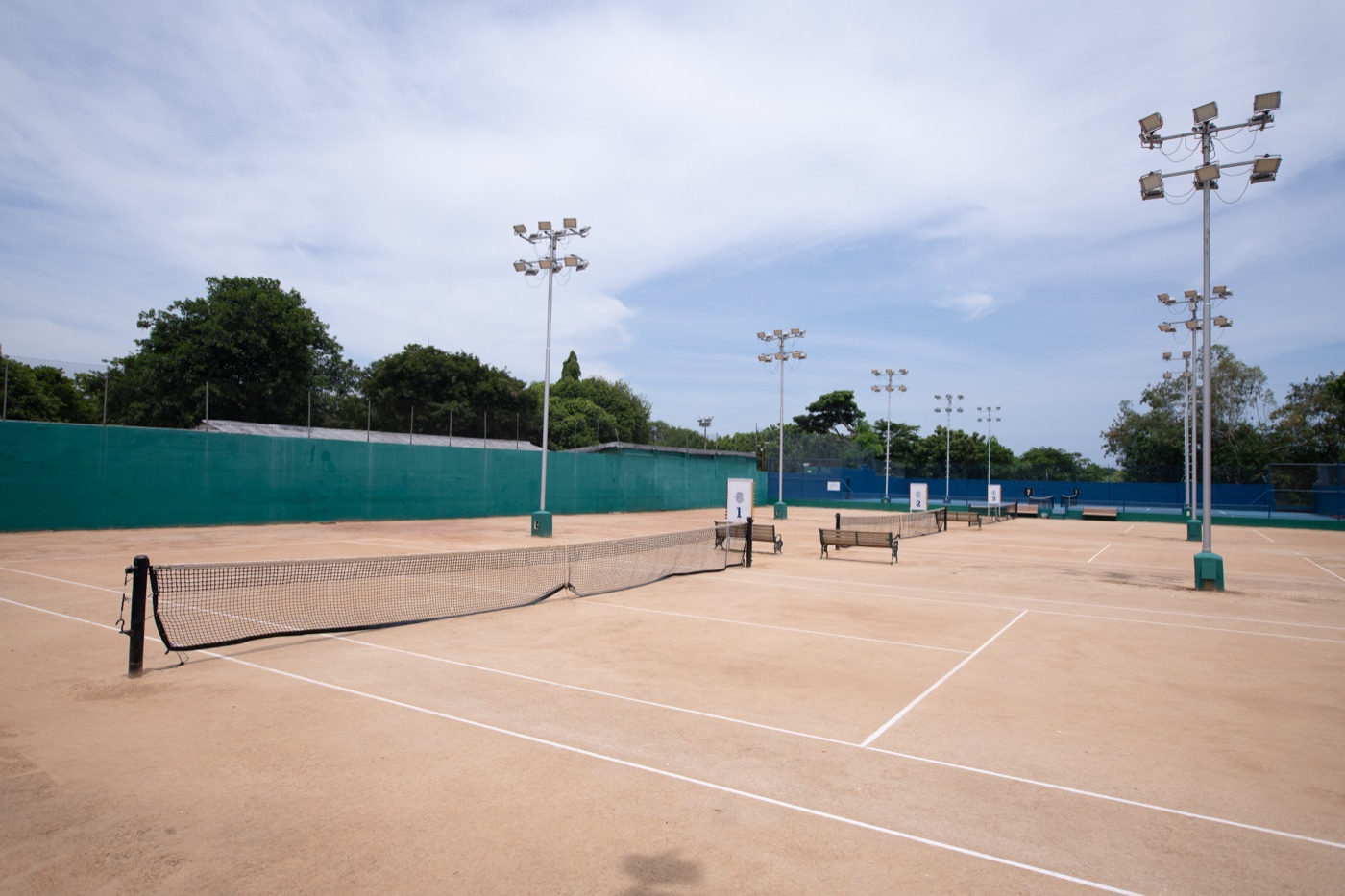
In 1884, lawn tennis courts were established at the club. By 1889, the Southern India Championships were inaugurated, among the earliest organised tennis tournaments in India. For decades, players travelled to Madras to compete. Standards were set here.
Much later, when Vijay Amritraj, Anand Amritraj, and Ashok Amritraj emerged from Madras to represent India on the world stage, they did so from a city whose tennis culture had already been cultivated through club competition.
Their ascent did not occur in isolation. It was made possible by institutions that existed long before headlines.
Quiet Rooms, Exacting Games
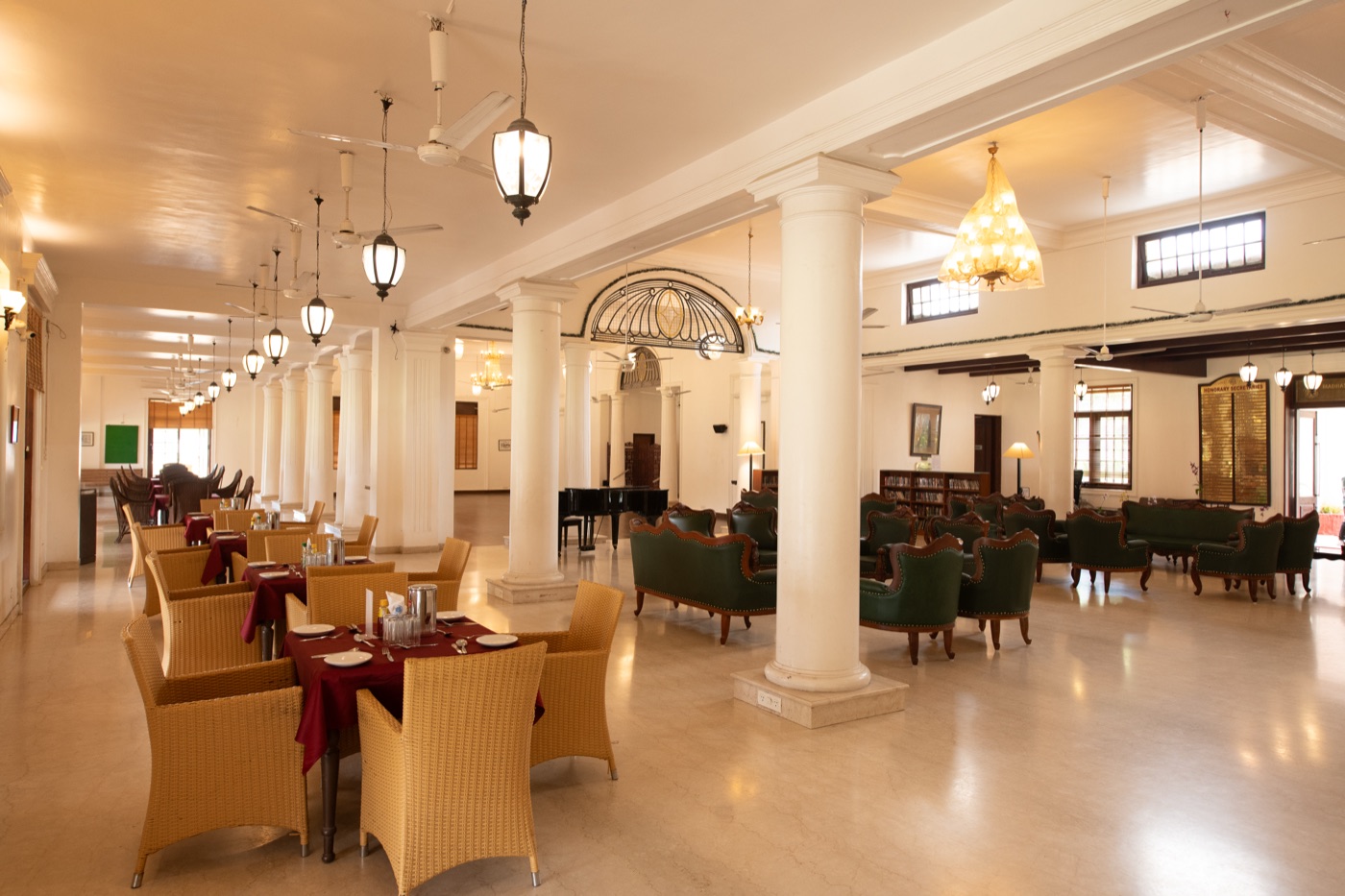
If the fields belonged to horse and racket, the interior rooms belonged to concentration. The billiards and snooker rooms hosted accomplished cue sport players, including names such as Siddharth Rao, who have competed in state and national fixtures connected with the club's competitive calendar.
The annual bridge festival, a South Zone ranking event, has drawn respected players such as Amulya Rao Atluri, Malini Krishna, Koushik Mukherjee, Meenal Thakur, Aditi Jhaveri, Gopinath Manna, and many others who regard the event as a serious test of skill.
Bridge in Chennai is club-shaped. Much of that shape was formed here.
Continuity
Over the decades, leadership passed to figures such as T. K. Singaram and Rabi Rajaratnam, among others, as the club transitioned from colonial outpost to independent Indian institution.
Membership broadened. Women became independent members. Families became central to club life.
The sports evolved. The standards did not.
An Institution, Not a Venue
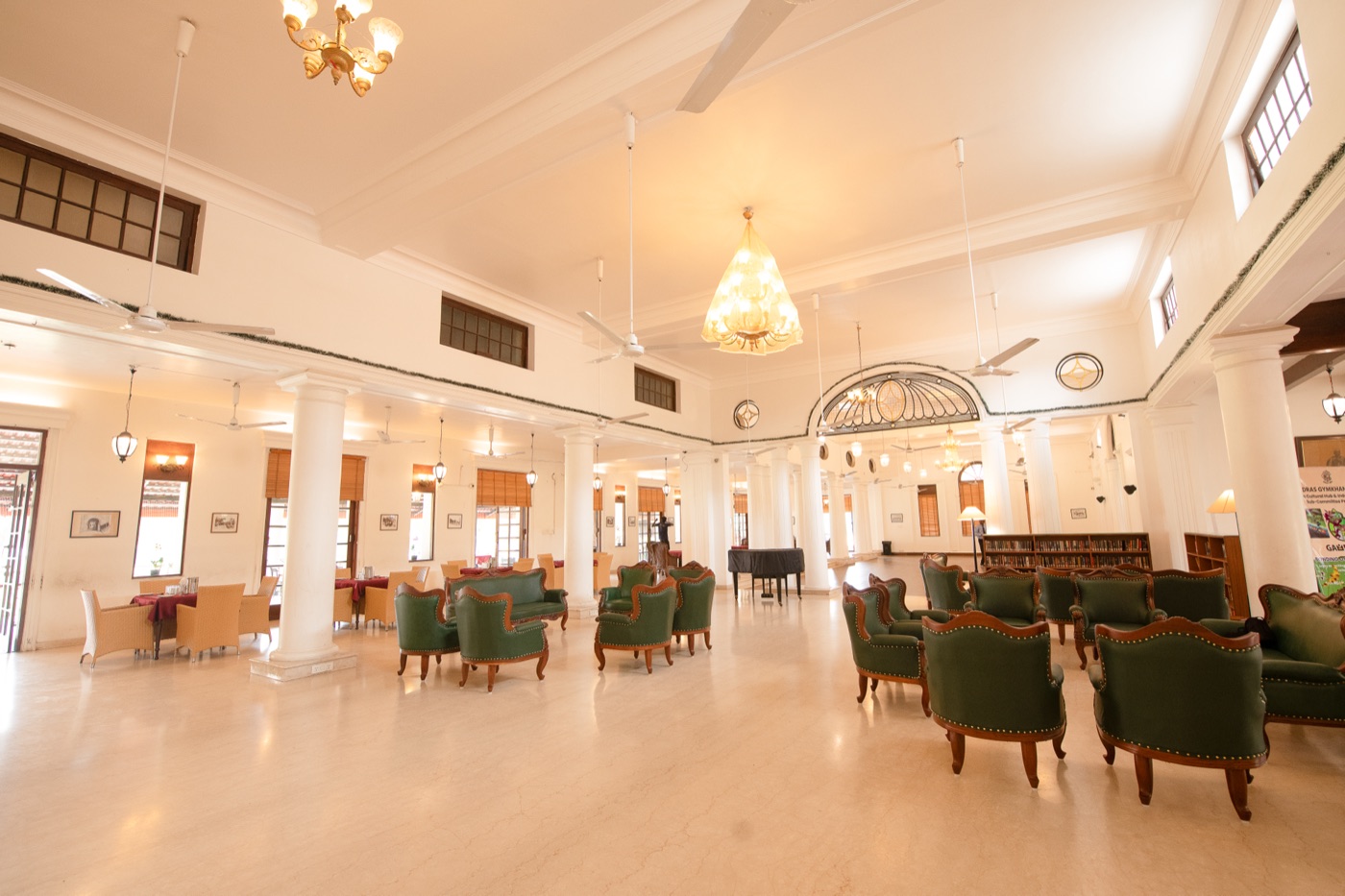
Madras Gymkhana Club does not exist because of nostalgia. It endures because it has mattered: to players, to patrons, to the sporting history of the city.
Membership remains what it has always been: considered.